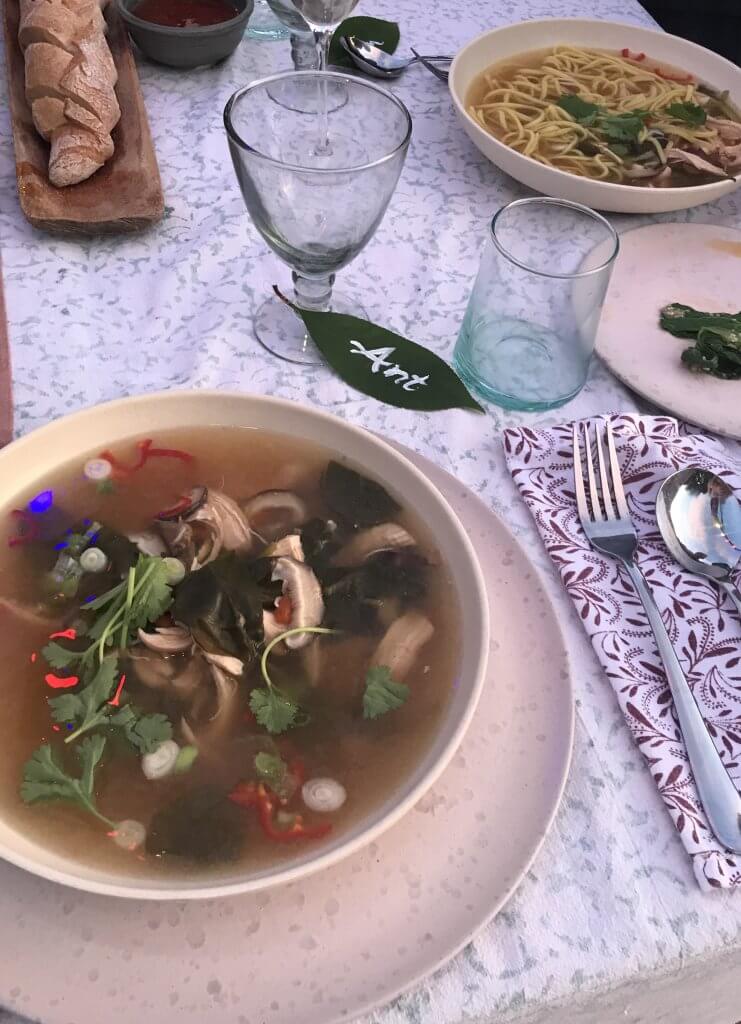
All cultures around the world including Britain have developed valuable traditions to support and nourish mothers during the postnatal season and all have a recognisable rhythm in their honouring. We had such traditions of care in Britain and they are just waiting to be reclaimed. I feel that by reviving traditions of simple care and honouring we are answering the prayers of our ancestors. We aren’t disconnected or lost, this is why it feels so natural and loving to feed, massage and care for a new mother.
Traditional comfort food feels this way because it’s an answered prayer… At least that’s how I feel!
You will notice that postnatal food tends to be warm and round and wet, like the womb. I am not here to share nutrition education, I’m all about nourishment, the nutrition just comes along with it!
A client of mine asked me to cater her birthday party 2 years after I had supported her. She requested the ginger chicken broth I’d made for her postnatally and shared the story of it before she fed her guests, calling it her favourite memory food!
It surprises a lot of people to find out that my first postnatal meal was chicken fingers and mc cain smiley faces with the fancy treat of a strawberry ribena! I craved the food tepid, a memory food from childhood was all I craved during this tender and open time. It wasn’t an especially nutritious meal but I craved emotional comfort first after a pretty traumatic birth experience. My mum wasnt a big cook so that was the meal. And that’s the power of food. It’s more than something to simply fuel your body, if that was the case we would all be satisfied with eating the same bland paste. Food is tied up with memory, emotion, ceremony, history and deep connection to our past and our family. It has the power to provide so much more than nutrition.
Every ceremony has a special food, every major transition and rite of passage is marked with the sharing of food. Wedding cakes, birthday cakes, fasting and feasting crosses religion and culture.
What is your personal comfort food. What is your most powerful memory food? What were you fed postnatally and how did it make you feel? How would it make you feel if you had it now?
In food for the invalid and the convalescent, a 1900s book that although a little condescending in the way it targeted the poor it had good intentions and included chapters on liquid foods, soups, fats and more.
In my research into food history one pot meals and special cakes seem to occur again and again. For a new born mother they are perfect. A comforting warm huggable bowl, one handed eating with a high liquid content. The one pot meal dates back to prehistoric settlement times, we would have had to have fed the village, tend the fire and all gather round it to share the meal and keep warm. So it makes sense that this type of meal feels so deeply comforting, it’s an almost ancestral comfort.
My grandmother told me that in her hospital birth the mothers would all be encouraged to gather and sit at a long table together at the evening meal times during that week long stay and woud be fed from one big comforting pot of stew then one big pudding. A sweet treat like a cake or pudding seemed vital! The meal was comforting and the connections made between the other mothers would often be long lasting.
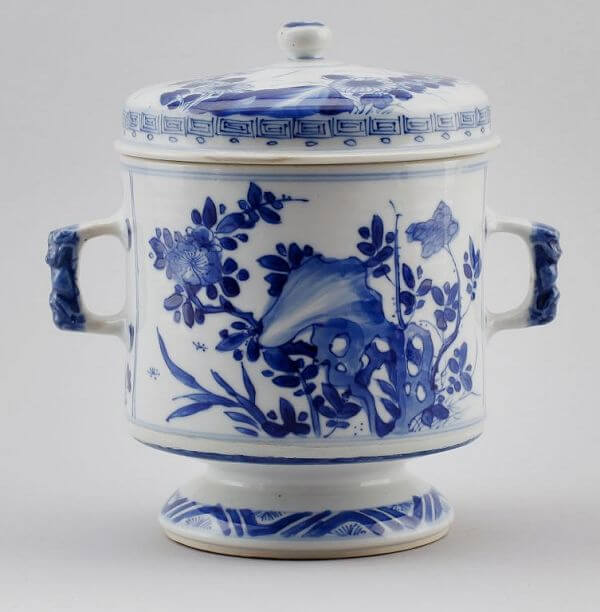
Have you heard of the phrase to go “Cake and cauldle” This is a Victorian coined phrase and comes from visiting a new born mother. Women would take cake and a special drink called a caudle. It was for convalescence and new mothers. There are even beautiful little caudle cups, being around only beautiful things was traditionally important for the lying in period. They had 2 handles like a sippy cup for ease of use for the recovering person.
A caudle was a thickened drink with spices, there are several recipes for white caudle, brown caudle, caudle for a stomach ache etc. I attended a birth a while back and the couple I supported prepared their traditional Russian postnatal drink that was warm red wine with various spices, which sounds a lot like a caudle. And a postnatal food of chicken with jelly. It was very bland, soft and gelatinous very simple easy to digest postnatal food. Some caudle recipes sound utterly vile to be honest, I can imagine the mother reluctantly but obediently gulping it down like I have seen with the seaweed soup I witnessed a client be told sternly to finish by her mother! A lot of caudle recipes use ale or wine but remember water was often dirty and a source of disease. Here is a recipe from the 1700s
You must take two quarts of water, mix in four spoonful of oatmeal, a blade or two of mace, a piece of lemon peel, let it boil, and keep stirring it often. Let it boil about a quarter of an hour and take care it does not boil over; then strain it through a coarse sieve. When you use it, sweeten it to your palate, grate in a little nutmeg, and what wine is proper and if it is not for a sick person, squeeze in the juice of a lemon.
When looking into your own postnatal recipes keep it simple and look to what’s not only in season around you but also to forage tuning into your intuition. What are you drawn to? What feels right?
I encourage you to cook from the heart. Think of what comforts you, what feels authentic to you and create a flavour story from there. Think of your favourite memory foods. Food made with feeling translates, I believe you can taste it. Good postnatal food isn’t competitive, it isn’t a competition, no awards need to be won. It’s about the way it makes you feel. Its power to take emotions and taste and turn them into a memory of feeling truly cared for.
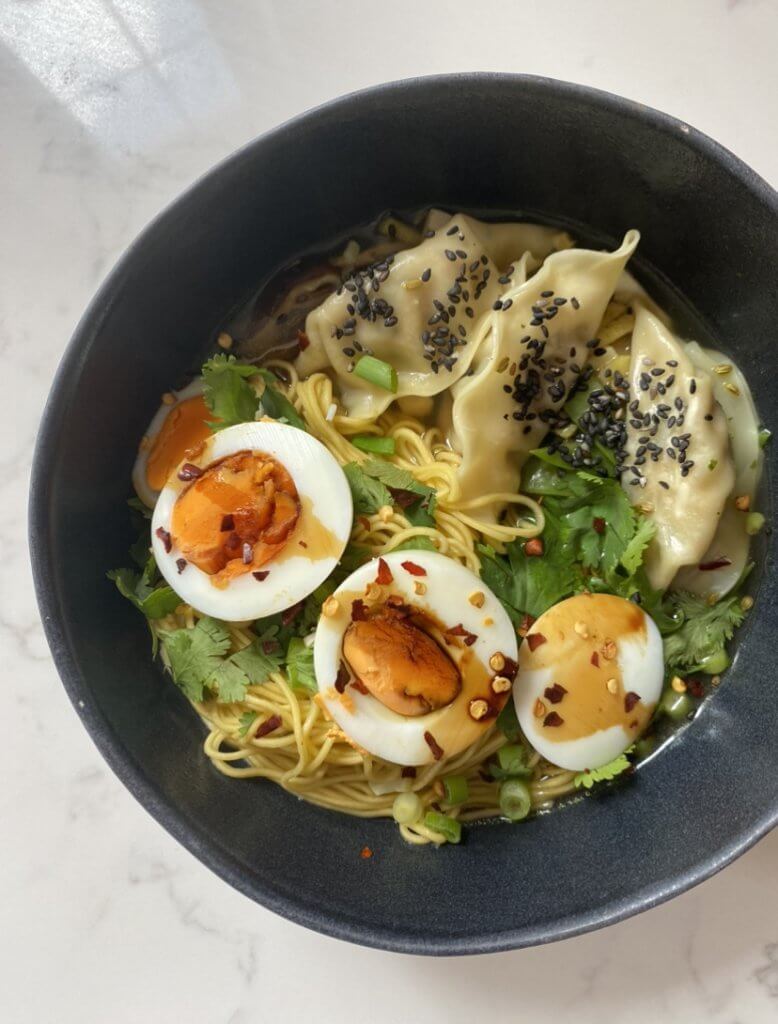
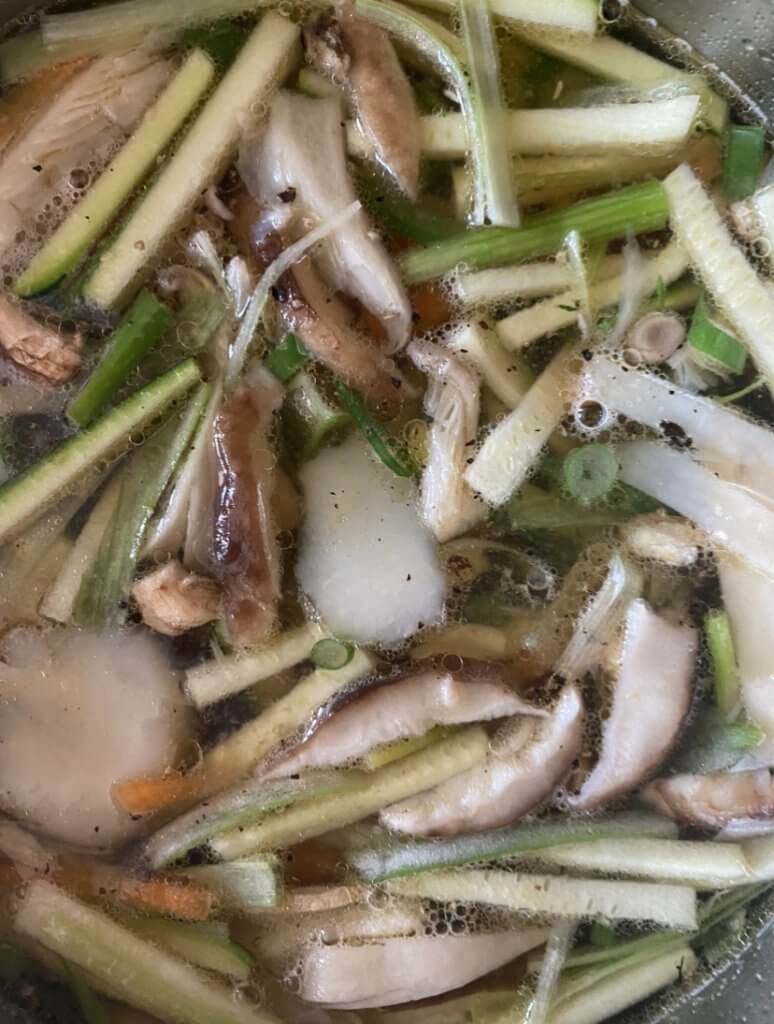
First day feast example
This is a little example of a menu I created for a client filled with some of her favourite tastes for her first day postnatal.
I usually go with a breakfast, lunch, sweet treat, cookies and tea. This provides a day of food and hopefully more sweetness to spare.
- Chamomile and vanilla congee
- Ginger chicken broth
- Kitchari with greens (i have included dandelion)
- Sweet potato brownie
- Postnatal oaty cookies (fig & fennel)
- Postnatal tea