
Balance in all things is definitely something I believe strongly in.
Being able to relax your pelvic floor is just as important as having a strong pelvic floor. Fact, your pelvic floor needs more than just strength for birth, she needs to be able to release. Just as is the nature of motherhood in general your body needs the balance of soft and strong.
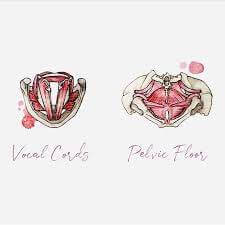
Developing good body awareness and kindness is a vital and sometimes missing part of our body wellness. It is a fantastic skill to have but sometimes we are unaware that it is missing from our body care menu in the first place. I for instance had no idea I had been holding my stomach in causing all sorts of aches including lower back pain until a talk by a wonderful body worker some years ago who’s name I unfortunately can’t remember but a wise woman I am eternally grateful for. I decided that day at the festival to to become more aware of how I was holding my body, I started to learn to let my stomach become soft and relaxed rather than the holding in and resulted clenching of my pelvic floor that had become habit. I feel that most women have been conditioned since girlhood to hold their stomachs in and I don’t have to go into why, we all know!
Have you ever practised letting go and becoming soft in the body, the belly, the pelvis? Clenching and holding in is something that we as women have been conditioned to do so it’s absoutely not your fault but it can cause a lot of tension resulting in imbalance and pain in not just your pelvic floor but elsewhere in the body. I will share some body release and pelvic floor releases that I and massage clients that visit me including horse riders, athletes and a ballet dancer found beneficial during their pregnancies and for labour. This is what one of these mumas had to say after her amazing birth.
I used the visualisation and breathing a lot in labour like I had practiced and basically just let my baby be born. The midwife didn’t believe he was coming but he just came. Too tight my ass, I didnt really push much at all! “
- Breathe. First let’s visualise and breathe. Let’s close our eyes, soften our face, our jaw. Deep breath in using the diaphragm. On the exhale allow our belly and pelvic floor to contract. If this is difficult, visualise picking up a grape with your vagina. Funny visual I know but it helps!
Repeat 3 times, deep diaphragmatic breath in, then on the big out breath contract the belly with a kegal picking up that grape.
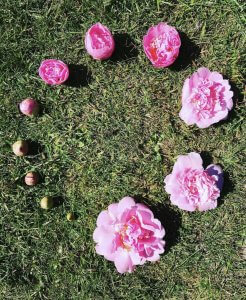
- Now we move to the release and relax. This is an adapted flower bloom technique inspired by bellies inc. With that big diaphragm breath again visualising your ribs expanding and your pelvic floor or vagina lengthening. Picture now a soft rose booming out of your pelvic floor or vaginal opening.Take your time with this as it sometimes needs more time than a kegal to get used to.
Inhale the rose blooms, exhale, keep that rose open. Take your time, allowing that rose to open a little more with each breath.
Now try a low hum or omm sound with the out breath, as you open your throat, relax your jaw and allow that low sound vibration travel through you, feel how these low sounds encourage opening. Sound is good for birth.
Pushing those rose petals out. Low sounds open, high sounds tighten. If it helps or feels good, move and sway with the sound and breath.circle your body and get soft and heavy in the hips. Really feel into your body as you move, sway, circle, and breathe low sounds.Take your time, soft mouth, soft body. Allow yourself to get into a good flow with it.
This may take some practice to get comfortabe with so don’t abandon it after one try. If the visual doesn’t work for you try water ripples increasing in size with each breath or whatever works, and do start during pregnancy rather than in labour!
2. I invite you to practise these breathing and visualisations in different positions to support body awareness. Positions that compliment pelvic floor release are:
Cobbler’s pose (supported if needed).
Supported deep squats/ goddess pose.
Happy baby pose and rocking.
wide knee child’s pose,if needed support yourself with a pillow or ball. Wide knee childs pose is also great for stretching the trapezius, which can be a cause of imbalance and tightness in pregnancy. Another post all together though! Every thing is connected.
Also joyful movement, just moving and stretching your whole body to a good playlist for the joy of it promote good body and pelvic floor awareness.
3. Self massage. Have you considered not just perineal but vaginal/pelvic floor massage? Not just for the stretching sensation, For the awareness of any tension held in this place. You would be surpised by the areas of tension you might locate. I personally found self vaginal massage very empowering and helpful preparation for my 2nd birth following an episiotomy with my first. No tools, no jade eggs unless that apeals, just your own wonderful hands. I highly recommend the book ‘Wild Feminine’ By Tami Lynn Kent if you’d like to explore this self massage practice more. I also highly recommend the book Vagina by Naomi wolf, honestly essential and life changing reading for anyone! Not for massage techniques persay but to learn about our amazing body.

4. Lastly vaginal steaming as a tool for awareness and relaxaction. Not recommended for pregnancy but safe from 38 weeks (ref steamy chick institute)
Body awareness and pelvic floor prep including mobilising, strengthening and of course releasing and relaxing is such a valuable piece of your antenatal learning. One that can be woven through pregnancy yoga, hypnobirth, spinning babies, Biomechanics for birth, singing and dance. All wonderful parts of a body kindness menu. Hopefully this awareness and learning if it’s new to you will be carried into your life beyond birth. May we all be soft and strong.